
Recreational Fire Safety
Enjoy the Outdoors Safely
While gathering around a fire is a hallmark of Long Island evenings, it is essential to understand the local regulations and safety measures that keep our community safe. In Mastic, outdoor fires are governed by both New York State law and Town of Brookhaven ordinances. These rules are in place to prevent brush fires and property damage, particularly during dry or windy conditions. By following the guidelines below, you can enjoy your recreational fire responsibly while protecting your home and neighbors.
Campfire Safety
Location Matters
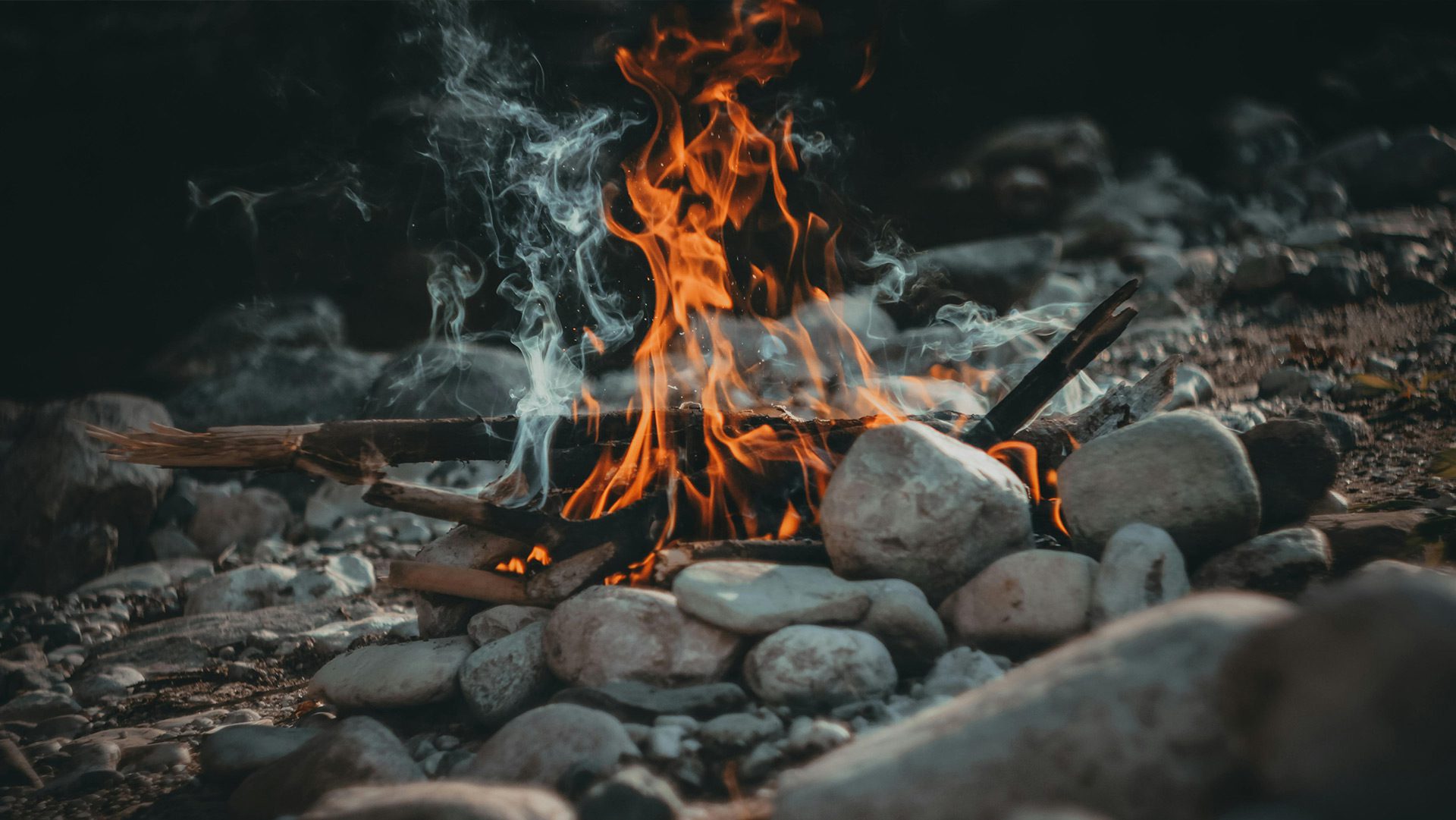
When enjoying a traditional campfire, the location is your most important safety factor. Ensure your fire is situated in a clear, level area at least 25 feet away from any structures, fences, or overhanging branches. Clear a 10-foot “safety circle” around the fire pit, removing all dry grass, leaves, and needles to create a firebreak of bare dirt or stone.
Campfire Size Requirements
Always keep your campfire manageable in size—per Town code, a recreational fire must not exceed 3 feet in diameter and 2 feet in height. Never use gasoline or other flammable liquids to start the fire, as these can cause sudden flare-ups or explosions. Instead, stick to dry, seasoned wood or charcoal to minimize dangerous sparks and excessive smoke.
Outdoor Fire Pit Safety
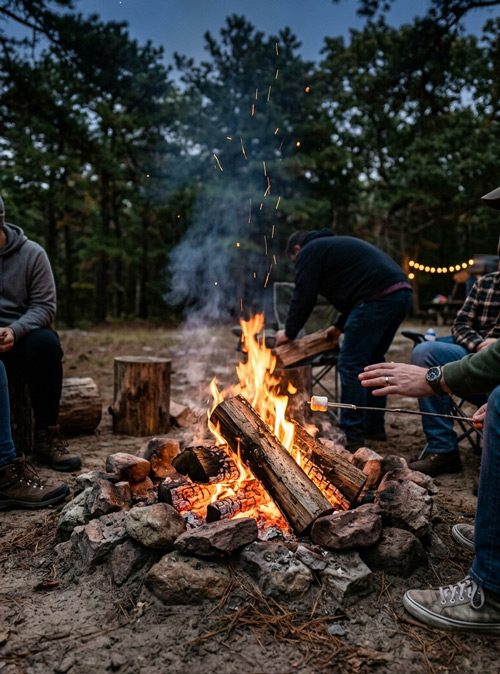
Portable outdoor fireplaces and fire pits are popular additions to many Mastic backyards, but they require specific precautions. These units should always be placed on a non-combustible surface, such as brick, concrete, or patio pavers—never directly on a wooden deck or dry grass. Even with a contained unit, the 15-foot minimum clearance from any structure must be maintained at all times.
Always use a metal screen or “spark arrestor” to prevent embers from floating out of the pit. Even a small breeze can carry a hot ember onto a neighbor’s roof or into dry brush. Ensure the fire pit is stable and located away from high-traffic areas where children or pets could accidentally trip and fall toward the flames.

Permits and Regulations
In the Town of Brookhaven, recreational fires (as defined by size and fuel type above) do not require a permit. However, “Open Burning”—which includes the burning of yard waste, leaves, or construction debris—is strictly prohibited without a rare permit from the Division of Fire Prevention. Additionally, please be aware of the NYS DEC Annual Spring Burn Ban (typically mid-March through mid-May), which may restrict even certain types of brush burning due to heightened wildfire risks.
Controlling the Fire
Fire Spread Prevention Tips
The single most effective way to prevent a fire from spreading is constant supervision. A fire should never be left unattended, even for a few minutes. Designate one “fire boss” to stay with the flames until they are completely out. Be mindful of the weather; if it is a “breezy” day or if the area is experiencing a dry spell, the Mastic Fire Department strongly advises against igniting any outdoor fire.
Keep a “charged” garden hose (water turned on at the source), a large bucket of water, or a fire extinguisher within immediate reach of the fire. In the event that a gust of wind carries embers into nearby mulch or grass, having your water source ready to go can mean the difference between a small singe and a major emergency.
Extinguishing the Fire
Extinguishing your fire is just as important as starting it safely. When you are finished, drown the fire with water, stir the ashes with a shovel, and drown it again. The goal is to ensure that every coal and ember is cold to the touch. Never simply let a fire “burn itself out” overnight, as buried embers can remain hot for up to 24 hours and reignite if the wind picks up.
Once the ashes are completely cool, dispose of them in a metal container with a tight-fitting lid. Never place ashes in a plastic garbage can or a paper bag, and keep the metal ash container stored away from your house, deck, or any combustible materials until you are certain no heat remains.