
Automatic Fire Alarm Reduction
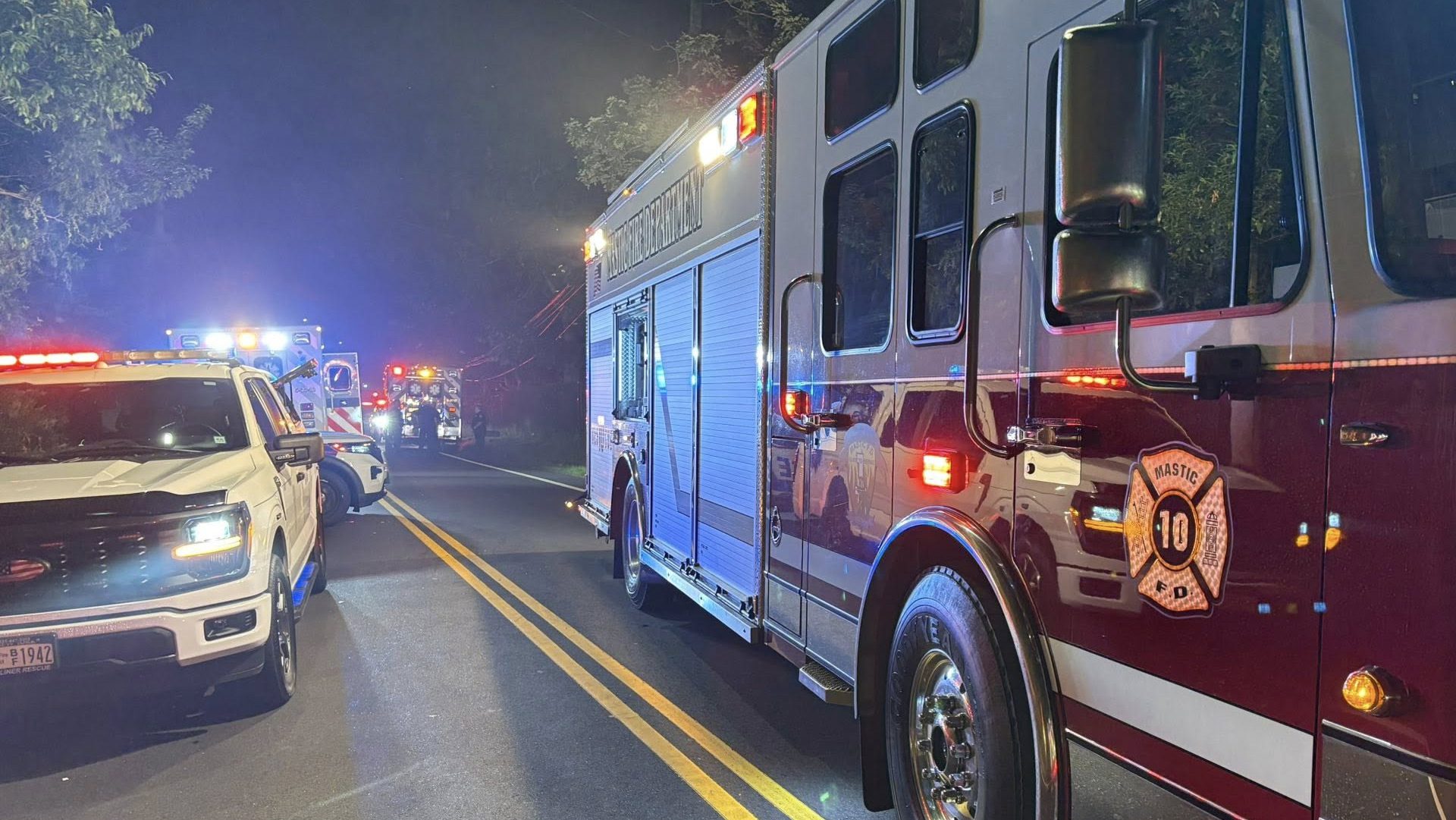
The Mastic Fire Department is committed to ensuring the safety of our residents through rapid and effective emergency response. However, a significant portion of the calls we receive are for “Automatic Fire Alarms” (AFAs) triggered by non-emergency situations. These false alarms divert our dedicated volunteer firefighters and specialized equipment away from actual life-threatening emergencies. The information on this page is designed to help you understand the impact of false alarms and provide actionable steps to reduce them, ensuring our resources remain ready for when they are truly needed.
The Cost of False Alarms
False alarms are more than just a nuisance; they represent a significant drain on community resources. Nationally, fire departments respond to millions of false alarms annually, each call requiring members to leave their families and workplaces to respond to the station. This also causes unnecessary wear and tear on fire apparatus, and the fuel consumed results in thousands of dollars in hidden costs to the taxpayer. More importantly, responding to a false alarm increases the risk of accidents for both firefighters and the public, creating a “complacency” effect where neighbors may begin to ignore alarms, potentially leading to tragedy during a real fire.
Common Causes of False Alarms
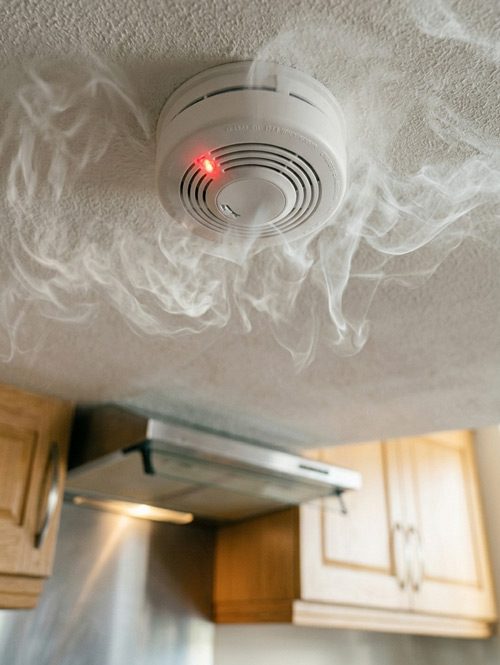
Most unintentional alarms are triggered by everyday activities rather than actual fires. Kitchen mishaps—such as burnt toast, high-heat searing, or failing to use an exhaust fan—are the leading causes of residential alarms. Other frequent culprits include steam from hot showers, cigarette or vape smoke, and even heavy dust or cobwebs inside the detector unit. Beyond environmental factors, equipment failure due to aging sensors or low batteries can cause a system to malfunction, while accidental manual pulls or “prank” activations also contribute to the department’s call volume.
Smoke Detector Care and Maintenance
Proper maintenance is the first line of defense against both fire and false alarms. We recommend testing your detectors monthly by pressing the “test” button and vacuuming or blowing out the sensors twice a year to remove dust and insects that can trigger a false reading. If your detectors use traditional batteries, replace them every six months. Keep in mind that smoke detectors have a lifespan of approximately 10 years; if your unit is older than that, the internal sensors may become unstable and should be replaced immediately with a new 10-year sealed battery model.
Know How to Cancel a False Alarm
If your alarm system is monitored by a central station and you accidentally trigger it, it is vital that you know your system’s cancellation code and the monitoring company’s phone number. Most monitoring companies will call the premises before dispatching the fire department; if you can verify that there is no emergency, they can often cancel the dispatch before our trucks leave the station. However, once the Mastic Fire Department has been officially dispatched, we are often required by protocol to arrive on-scene to verify the situation, so acting quickly with your alarm company is the best way to save department resources.
Notify Us Before Testing
If you are planning to have a professional technician service your fire alarm system or if you intend to perform your own comprehensive testing, please notify the Mastic Fire Department and your monitoring company beforehand. Performing tests without prior notification creates an immediate “emergency” signal in our dispatch center, causing an unnecessary full-scale response. A simple phone call to put your system on “test mode” ensures that our volunteers stay off the road and your system gets the maintenance it needs without causing a false alarm.