BBQ & Grilling Safety
Grill Responsibly
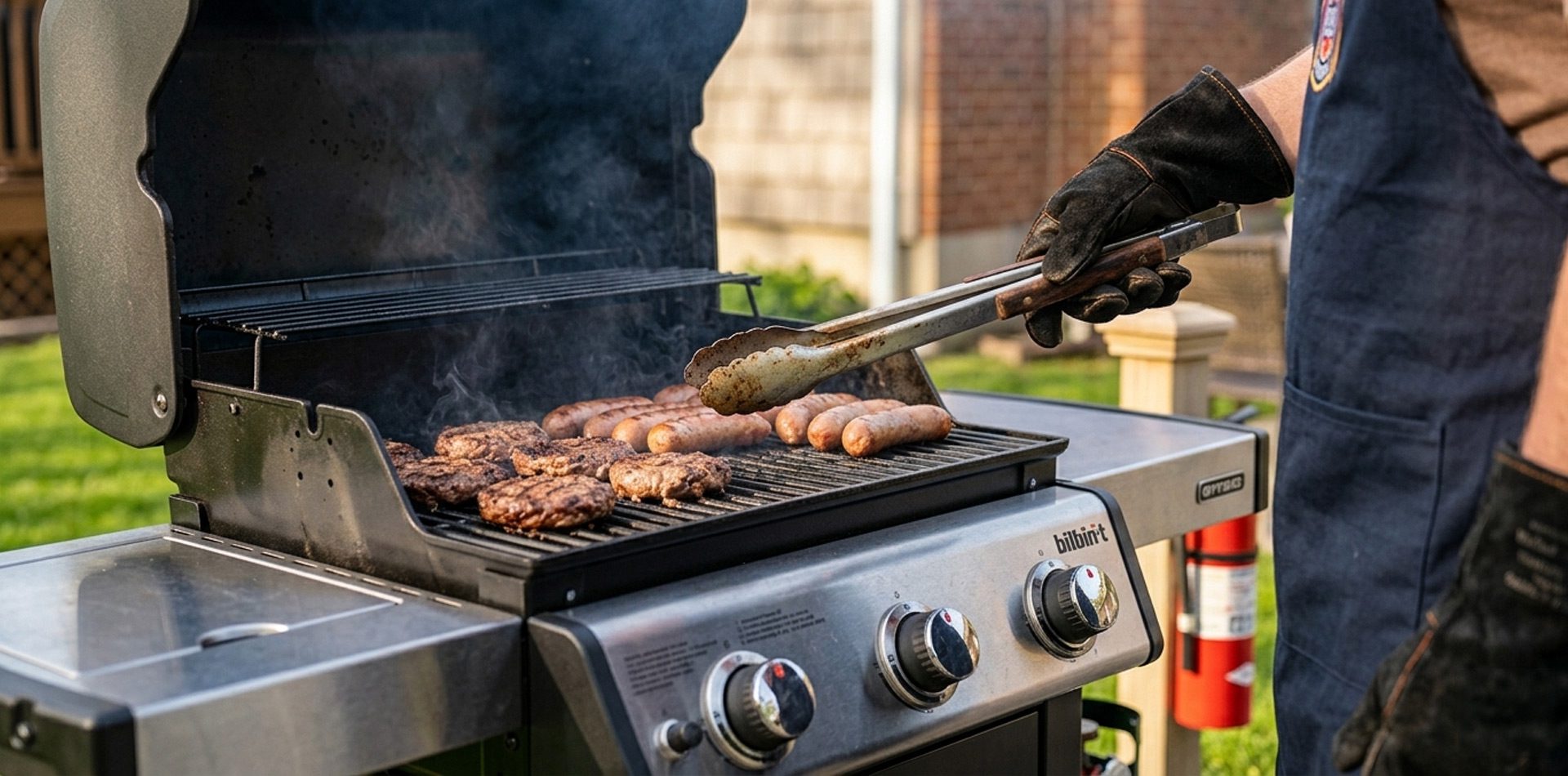
Grilling is a cornerstone of Long Island summers, bringing friends and families together for backyard celebrations. While we all enjoy a good cookout, the combination of high heat, flammable gases, and open flames requires constant vigilance.
Mastic Fire Department is committed to ensuring every barbecue remains a happy memory by sharing these essential safety practices for our community.
Strategic Grill Placement
Your grill should be placed at least 10 feet away from your home, garage, or any other structures. Never grill under low-hanging branches, eaves, or overhanging porch roofs. Maintaining this “buffer zone” ensures that if a flare-up occurs, the flames cannot easily spread to vinyl siding, wooden decks, or attic vents, which are common ways backyard fires transition into full-scale house fires.
Cleaning and Maintenance
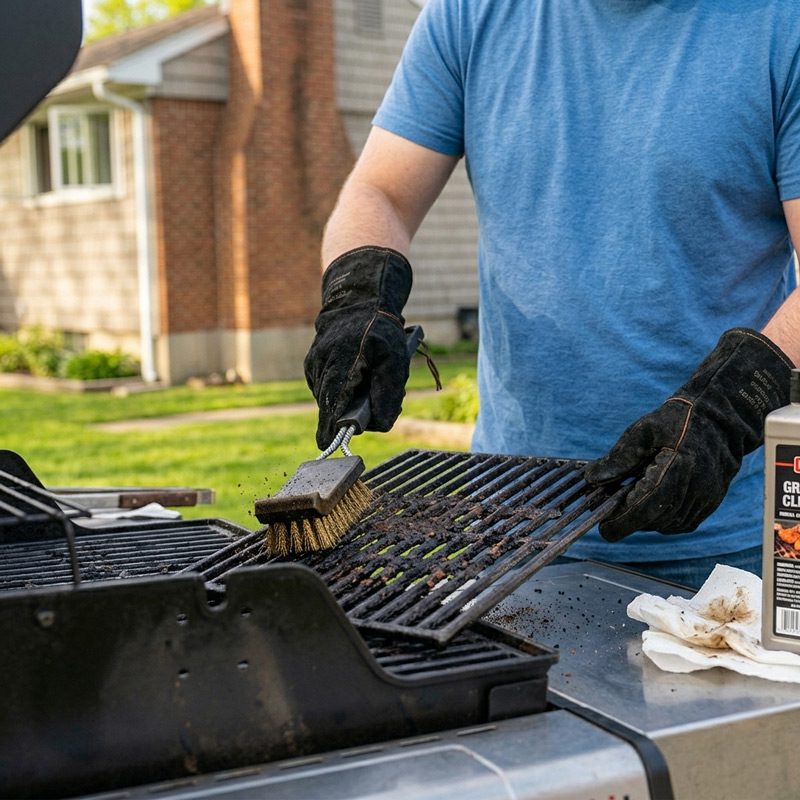
A clean grill is a safe grill. Accumulated grease and fat are highly flammable and provide the perfect fuel for a dangerous grease fire that can quickly spiral out of control. Ensure you scrape the grates and empty the grease tray after every use once the unit has cooled. Regularly checking the burner tubes for spider webs or debris can also prevent “flashback” fires where gas is forced out of the front of the grill.
Checking for Propane Leaks
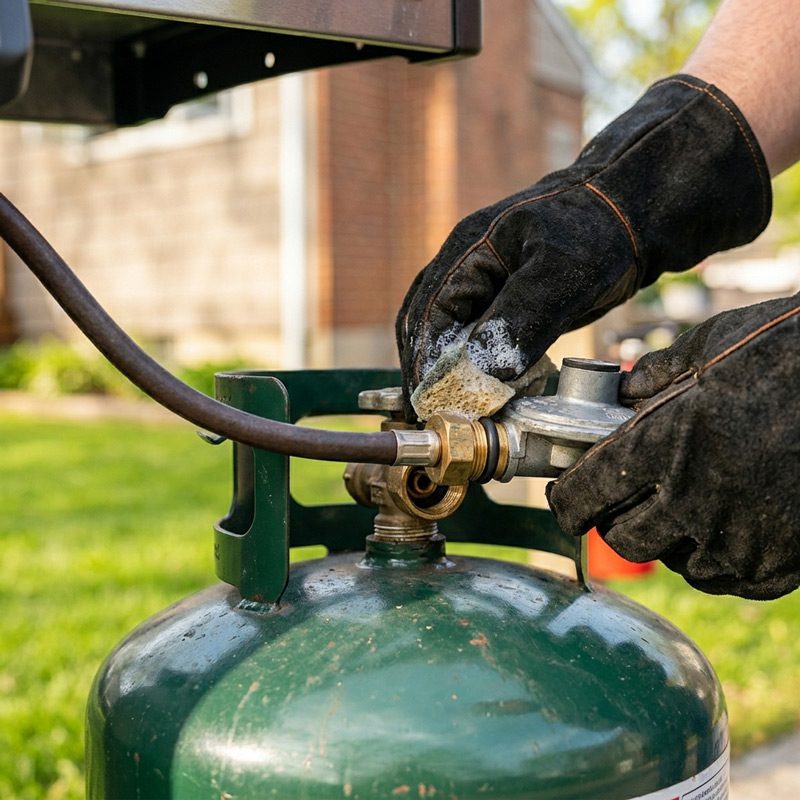
Before your first cookout of the season, it is vital to check your propane tank and hose for leaks. You can perform a simple “soap and water” test by applying a light soapy solution to the hose and connections; if you see bubbles forming while the gas is turned on (but the grill is not lit), you have a leak. If you smell gas while cooking, immediately turn off the tank and burners; if the leak persists or you smell gas near the tank, call 911 and move away from the area.
Using Starter Fluid Safely
If you prefer charcoal, only use starter fluid specifically designed for grilling. Never add lighter fluid—or any other flammable liquid—directly to coals that have already been ignited, as the flame can travel up the stream and cause the container to explode in your hand. For a safer, chemical-free alternative, consider using a charcoal chimney starter, which uses paper and physics to light your coals efficiently.
Safe Disposal of Charcoal
Improperly discarded coals are a leading cause of deck and structure fires. Once you are finished cooking, allow the coals to cool completely for at least 48 hours, or soak them thoroughly in water to ensure the core is extinguished. Never place “warm” ashes into a plastic trash can or paper bag; instead, use a dedicated metal container with a tight-fitting lid and store it away from any combustible materials.