
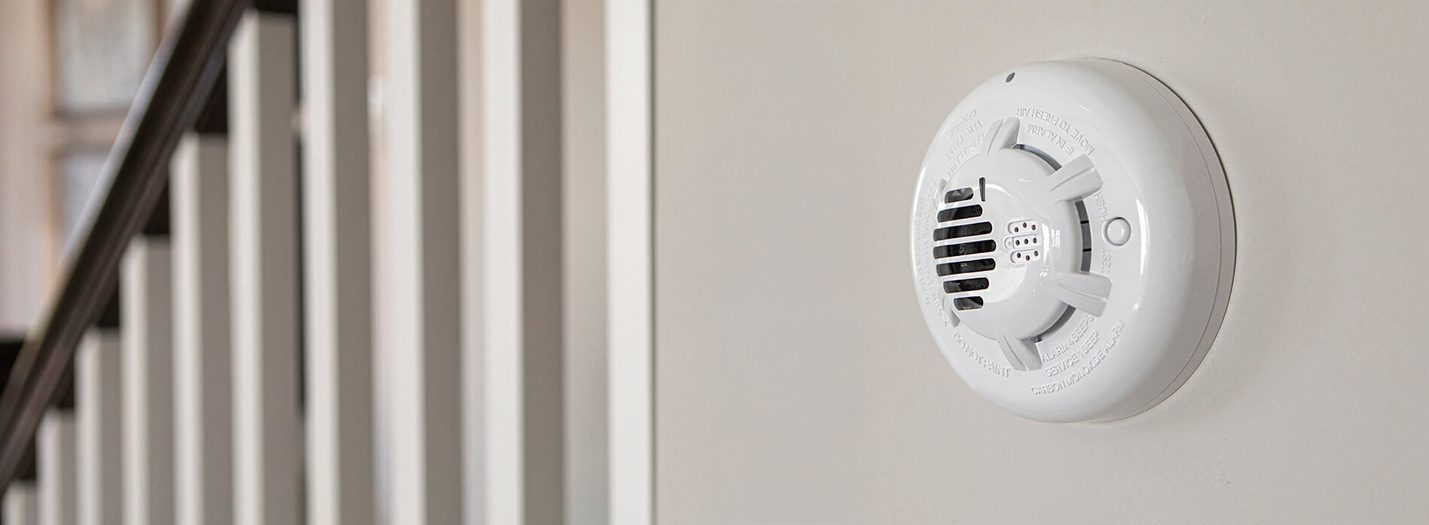
Carbon Monoxide Detectors
The Silent Threat: Understanding and Preventing Carbon Monoxide Poisoning
Carbon monoxide (CO), often referred to as the Invisible Killer, is a severe danger in many homes. It is a colorless, odorless, poisonous gas produced by the incomplete burning of fuels such as natural gas, propane, oil, wood, coal, and gasoline. Because it cannot be detected by human senses, accidental CO poisoning tragically results in many deaths and thousands of injuries each year.
Every Level:
Install a CO detector on every functional level of your home, which should include habitable portions of basements and attics.
Near Bedrooms:
On levels containing sleeping areas, detectors should be placed within ten feet of every bedroom door. This placement ensures the alarm is loud enough to wake occupants if dangerous levels of CO accumulate while they are sleeping.
Near Fuel-Burning Appliances:
Consider placing an additional detector near the main source of CO, such as a furnace or a fireplace, though placement near sleeping areas remains the highest priority.
Battery-Operated:
Offer protection even during power outages but require regular battery changes.
Plug-In with Battery Backup:
Plug directly into an outlet and feature a backup battery for continuous monitoring.
Hardwired:
Connected directly to your home’s electrical system, often integrated with smoke alarms. These are generally considered the most reliable but still require a battery backup to function during an outage.
Maintenance is Critical
Replace Before the Expiration Date
All CO detectors have a limited lifespan, typically between 5 to 10 years from the date of manufacture. Ensure you replace the detectors in your home prior to their expiration date, as the sensor may degrade over time.
Battery Replacement
If you have a battery operated detector, replace the batteries at least once per year.
Test Frequently
Test your alarms monthly using the dedicated “Test” button to ensure the alarm mechanism is working properly.
What to Do If You Suspect Carbon Monoxide Poisoning or the Alarm Sounds
- Evacuate your home immediately.
- Contact the fire department or 9-1-1
- Seek Medical Attention