Backyard Pool Safety
Responsible Summer Fun
For many families on Long Island, a backyard pool is the center of summer fun and relaxation. However, the joy of owning a pool comes with a significant responsibility to protect our children, neighbors, and guests. Drowning is a “silent” emergency that can happen in the time it takes to answer a text message. Our local fire department is dedicated to providing the resources and knowledge necessary to ensure your backyard oasis remains a safe environment for everyone.
Physical Preventative Measures
Utilize the suggested equipment below to help secure your pool when you are not around to supervise it.
Alarms and Fencing
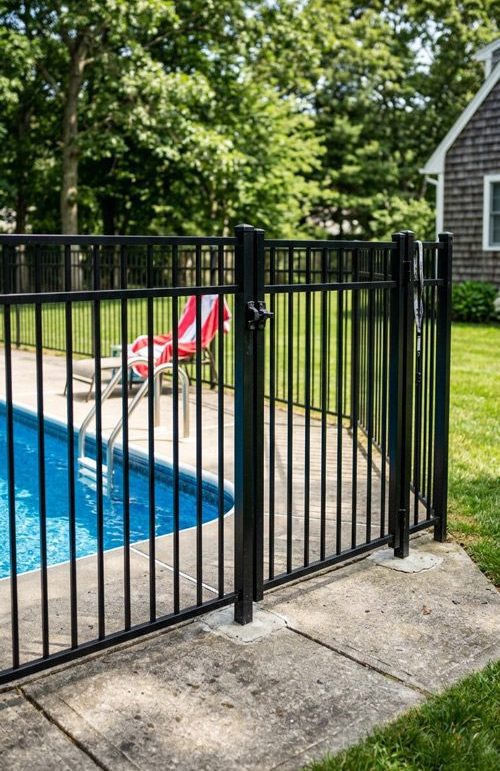
The first line of defense is a multi-layered barrier system. Every pool should be surrounded by a four-sided fence at least four feet high with self-closing and self-latching gates that open outward. This creates a dedicated barrier between the house and the water. To supplement fencing, install pool alarms that sound when someone enters the water and door alarms on any exits leading to the pool area.
Anti-Entrapment Drain Covers
Powerful suction from pool drains can trap a swimmer underwater, leading to serious injury or drowning. Ensure your pool is equipped with anti-entrapment drain covers that comply with the Virginia Graeme Baker (VGB) Pool and Spa Safety Act. Regularly inspect these covers to ensure they are not cracked, loose, or missing, and teach children to stay away from drains and suction outlets.
Securing Pool Covers
When the pool is not in use, it should be covered with a sturdy, professional-grade safety cover. These covers should be able to support the weight of an adult to prevent someone from slipping underneath or becoming trapped in collected rainwater. Never rely on a floating solar cover as a safety device, as these can actually pose a greater risk by concealing a person who has fallen into the water.
Responsible Supervision
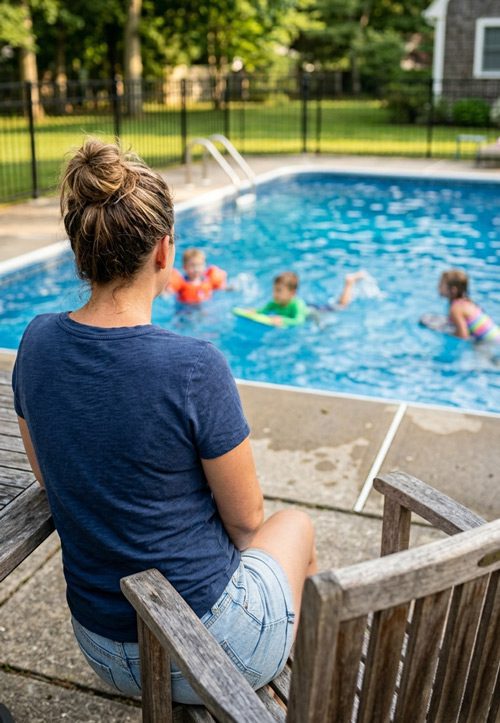
Active supervision is the most effective way to prevent drowning. This means designating a “Water Watcher”—a responsible adult whose sole job is to keep their eyes on the pool without distractions like phones, books, or yard work. Even if a lifeguard is present or children know how to swim, an adult should be within arm’s reach of infants and toddlers, and under constant visual contact for older children.
Establishing Pool Rules
Clear, consistent rules are essential for maintaining order and safety. Common rules should include “no swimming alone,” “no running on the pool deck,” and “no diving in shallow areas.” Ensure that all guests and family members understand these rules before they enter the water. Consistency is key; a rule that is only enforced occasionally is a rule that will eventually be ignored.
Recognizing the Signs of Drowning
Contrary to how it is often portrayed in movies, drowning is rarely a loud, splashing event. The “Instinctive Drowning Response” often looks like someone is simply treading water or trying to climb an invisible ladder. Look for signs such as a head low in the water, mouth at water level, eyes that are glassy or closed, and a lack of leg movement. If someone looks like they are struggling, ask them if they are okay; if they cannot answer, they need immediate help.
Safe Rescue and Removal
If a child is missing, always check the pool first. If you need to perform a rescue, remember the phrase “Reach, Throw, Don’t Go.” Use a reaching pole or throw a buoyant life ring to the person in distress rather than jumping in yourself, which can result in two people needing rescue. Once the person is out of the water, keep them warm and seek medical attention immediately, even if they seem fine, to check for delayed complications.