Home Fire Safety
Protecting your family and property from fire is a top priority
A house fire can be devastating, but it doesn’t have to be inevitable. This guide walks you through the fundamentals of Home Fire Safety, providing you with essential tips on fire extinguishers, smoke detectors, and critical prevention measures for high-risk areas like the kitchen and fireplace. Learn the habits that can protect what matters most.
Plan ahead! Once you’ve reviewed these safety tips, jump over to our Emergency Preparedness page for recommendations on how to plan for emergencies.
Fire Extinguishers
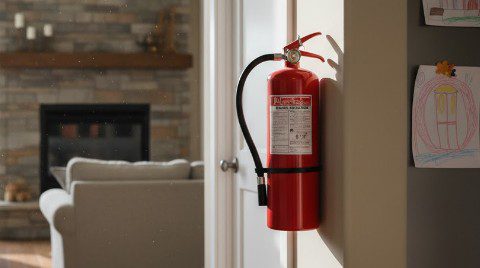
Portable fire extinguishers are another critical home fire safety tool, which can help put out small fires in your home, saving lives and property. However, if a fire grows out of control or spreads beyond a small area, do not attempt to extinguish the fire. Evacuate your home immediately and call 9-1-1.
Which Fire Extinguisher to Get
A multi-purpose (ABC) fire extinguisher is best for the home. Look for the rating to be at least 2A-10B-C on the label. This extinguisher can be used on any type of fire commonly found in the home.
Where to Put Fire Extinguishers
We recommended installing an extinguisher in any kitchen or cooking area, as well as in the garage.
Using a Fire Extinguisher
Operate a fire extinguisher by using P.A.S.S. method: Pull the pin, Aim at the base of fire, Squeeze, and Sweep the extinguisher side-to-side
Refilling or Disposing of Old Fire Extinguishers
If your fire extinguisher has a gauge, then it can be filled. If there is no gauge, then the fire extinguisher is for one-time use only, and is disposable. If you live in Nassau or Suffolk County, you can have your extinguishers filled and serviced at https://firematic.com/extinguishers.htm.
Smoke Detectors
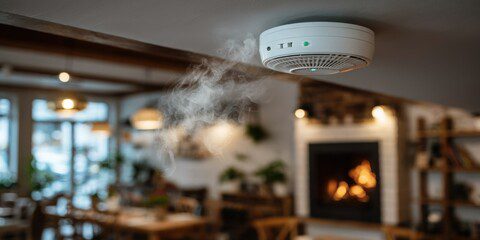
Smoke detector fire alarms are the number one tool in home fire safety and prevention. Most fire and smoke-related deaths occur in homes without a smoke detector, or detectors that are malfunctioning due to dead batteries or bad wiring.
Install on Every Level
Mastic Fire Department recommends that you install at least one smoke alarm on every level of your home, including the attic and basement. Even better is one in every bedroom. Smoke alarms are designed to wake you up if a fire starts while you are sleeping. Be sure your smoke alarms are near bedrooms and other sleeping areas in your home.
Test Once Per Month
When was the last time you heard your smoke alarm? Battery-operated alarms should be tested once a month to make certain they are working.
Change the Batteries Every Year
Replace the batteries in your smoke alarm once a year. Mastic Fire Department recommends you do this when we change our clocks in the fall or in the spring.
Replace Every 10 Years
Replace your smoke alarm every ten years. After ten years, your smoke detector will have been working consecutively for 87,000 hours. No other appliance in your home works this long. If you do not know how old your smoke alarm is, or if it is ten years or older, replace it as soon as possible.
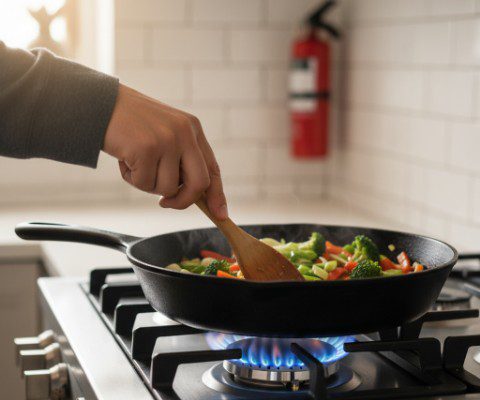
Kitchen Fire Safety
Keep Items Away from the Cooking Area
Keep things that burn away from the cooking area and appliances in your kitchen. Don’t place towels, pot holders, pizza boxes, or paper bags on the stove or near hot appliances.
Grease Fires
Clean any grease build-up from the stove, oven and exhaust fan regularly. Cooking grease and oil ignite easily and burn rapidly. Use a lid or bigger pan to smother a small pan fire. Do not use water or flour on a grease fire. It will make the fire bigger. Do not try to carry a burning pan outside or to the sink. You could accidentally spread the fire. Keep a lid, baking soda, or an ABC fire extinguisher handy in the kitchen.
Keep Kids and Pets Safe
Don’t store cookies or other “treats” near the stove. It might tempt little children to climb on the stove. Keep young children and pets away from cooking areas entirely. Keep pot handles turned inward, out of the reach of children and pets. Keep appliance cords up on counter tops too.
More Tips
- Dress for fire safety in the kitchen. Don’t wear loosing fitting clothing, like nightgowns or bathrobes while cooking.
- Never leave cooking unattended. If you must leave the kitchen for some reason, turn the heat off and take something with you to remind you that you have something cooking.
- Shield yourself from steam when uncovering food, especially microwave servings. Steam can cause serious burns.
- Check appliance cords regularly for frayed or broken spots. Replace damaged cords or appliances.
- Avoid reaching over the stove for anything while cooking. Store frequently needed items in other areas of the kitchen.
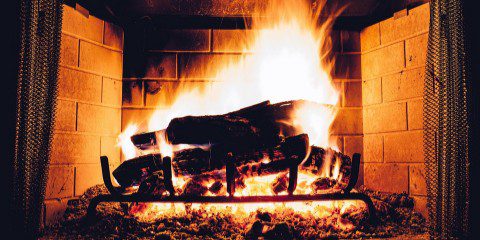
Fireplace Safety
Fireplaces and Wood Stoves are a common source of supplementary heat for our winters, but just because our cold season is short, we cannot dismiss the dangers of fire hazard. Careful attention to home fire safety can minimize potential hazards.
Fireplace Safety Tips:
- Have your chimney inspected annually and cleaned if necessary.
- Keep a glass or metal screen in front of the fireplace opening to preventing embers or sparks from jumping out.
- Do not use flammable liquids to start or accelerate any fire.
- Never burn charcoal indoors, for it can give off lethal amounts of carbon monoxide.
- Do not use excessive amounts of paper to build raging fires in fireplaces. It is possible to ignite creosote in the chimney by overbuilding the fire.
- NEVER close your damper with hot ashes in the fireplace. This can cause the ashes to heat up again and will force toxic carbon monoxide into the house.